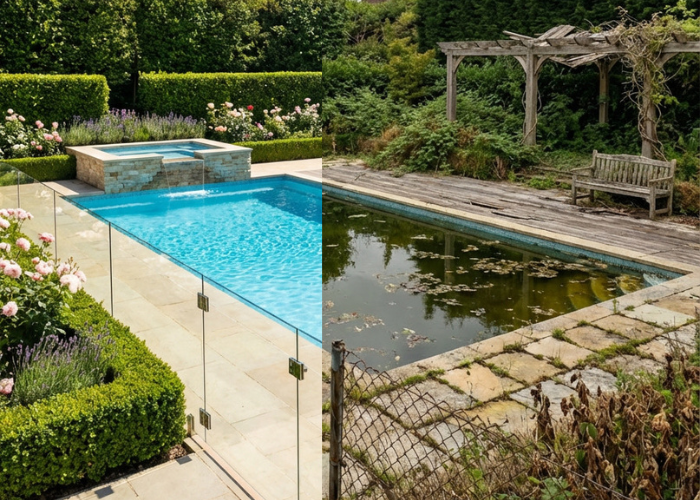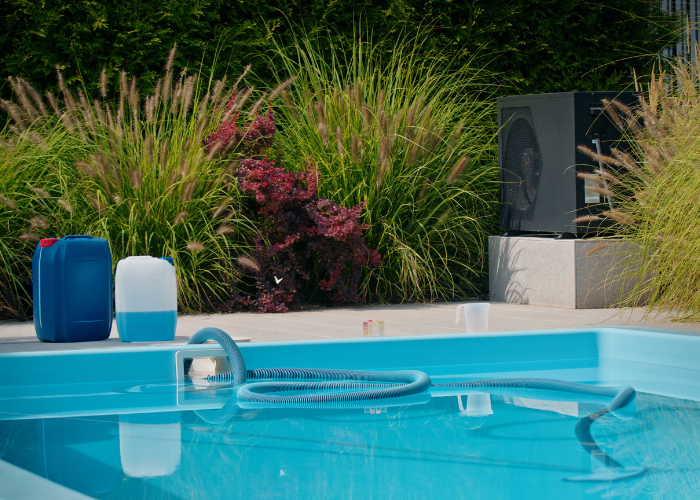
Wondering how often you should maintain your swimming pool? Learn expert tips on cleaning schedules, water balance, common problems, and why “professional” pool maintenance keeps your pool safe and sparkling.
Why Regular Pool Maintenance Matters
Keeping your pool clean isn’t just about aesthetics, it’s essential for water safety, equipment longevity, and preventing costly repairs. Whether you’re a new pool owner or looking to improve your pool care routine, understanding how often to maintain your pool and what tasks to perform can save you time, money, and stress.

How Often Should You Clean & Maintain Your Swimming Pool?
Weekly Tasks
- Skim debris such as leaves or bugs from the water surface.
- Test and balance water chemistry (pH, chlorine, alkalinity).
- Brush walls and steps to prevent algae buildup.
- Vacuum or run your automatic pool cleaner.
Daily to Every Few Days
- Skimming is often needed more frequently in leafy or windy conditions.
- Check water level and adjust if needed.
- Look for visible issues like cloudy water or debris accumulation.
Seasonal Deep Maintenance
- Start of season: shock the pool, clean filters, inspect equipment.
-
End of season / winter: prepare for colder months with winterisation.
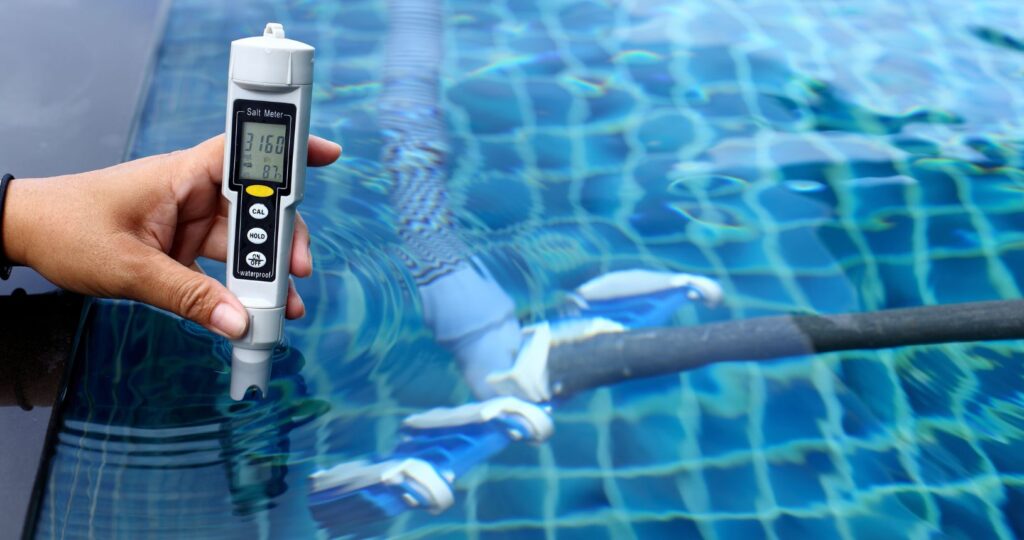
Pool Water Chemistry: The Foundation of Pool Health
Maintaining proper water chemistry is critical:
pH Levels (7.4–7.6): Keeps water comfortable and sanitizer effective.
Sanitiser Levels (Chlorine or Bromine): Kills bacteria and algae.
Total Alkalinity & Calcium Hardness: Protects pool surfaces and equipment.
Even slight imbalances can cause cloudy water, algae growth, skin irritation, or damage to your pool surfaces.
Common Pool Problems and How to Fix Them
Green or Cloudy Water: Usually caused by algae or poor filtration; requires shocking and chemical balancing.
Debris or Wildlife in the Pool: Use a cover and skimming tools.
Filter & Pump Issues: Regular cleaning or backwashing prevents equipment strain and prolongs pump life.
Why You Should Consider Professional Pool Maintenance
Many pool owners try DIY maintenance to save money, but professional pool services provide expertise that prevents costly mistakes. Here’s why:
Equipment Knowledge
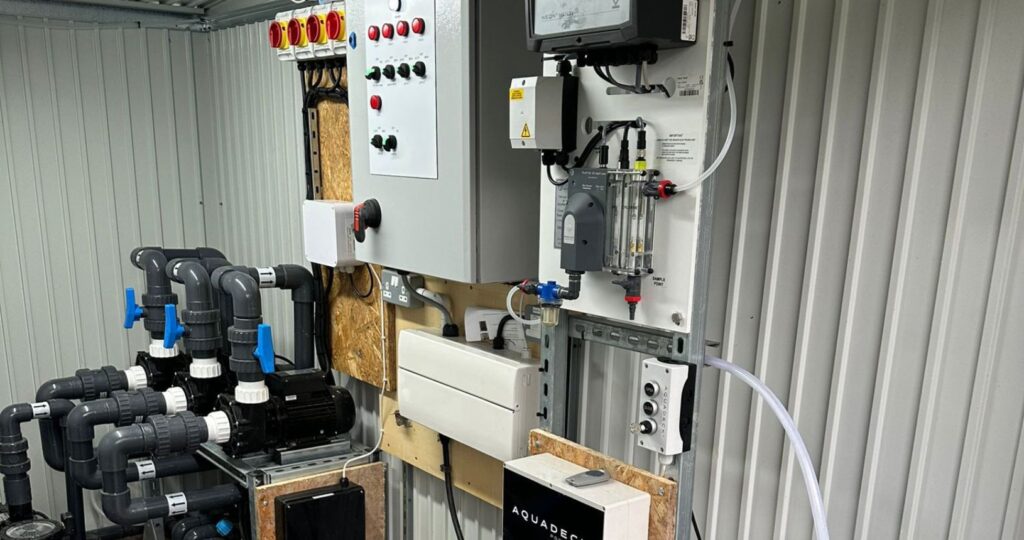
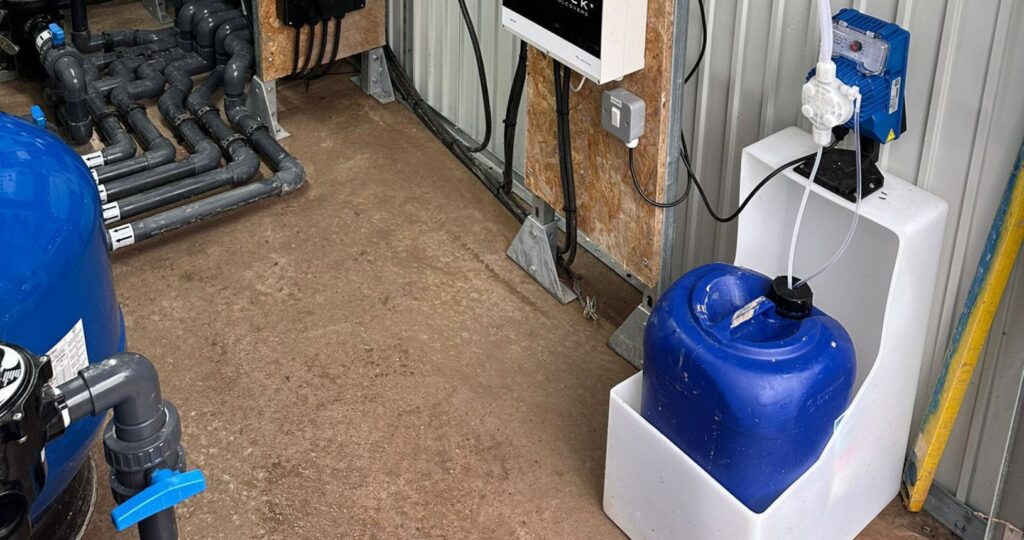
Pumps, filters, heaters, and chlorinators require proper servicing.
DIY mistakes can lead to broken pumps, clogged filters, or electrical issues, which are expensive to repair.
Expertise in Chemical Balancing
Professionals know how to accurately test and adjust pH, chlorine, alkalinity, and calcium hardness.
Incorrect chemical levels can corrode pool surfaces, damage equipment, or cause skin and eye irritation.
Time & Safety
Pool maintenance can be time-consuming and physically demanding.
Professionals reduce risk of accidents (e.g., slipping, chemical burns, electrical hazards).
Algae & Contamination Prevention
Professionals recognize early signs of algae, bacteria, or fungus.
DIY attempts may spread contamination, especially in warm climates or high-use pools.
In short: skipping professional care or relying solely on DIY maintenance can lead to unsafe water, faster wear on your pool, and higher repair costs in the long run.
Essential Pool Maintenance Checklist
Daily / Frequent
✔ Skim surface debris
✔ Check water level
Weekly
✔ Test and balance chemicals
✔ Brush pool walls
✔ Vacuum or run automatic cleaner
Monthly / Seasonal
✔ Backwash or clean filters
✔ Inspect pump and equipment
✔ Prepare for winter/summer seasons
Consider hiring a professional at least once a season, or more often if you have a large or heavily used pool.
Pro Tips for Easier Pool Care
Run your pool pump long enough to cycle all the water (8–12 hours/day in summer).
Use a cover to reduce evaporation and debris accumulation.
Keep a maintenance log to track chemical levels, cleaning, and service dates.
Final Thoughts
Regular swimming pool maintenance is essential for clean, safe water and long-lasting equipment. Combining weekly DIY checks with professional maintenance ensures your pool stays sparkling, safe, and enjoyable all season long — without the risk of costly mistakes.